THE TOWER OF LONDON
Day three, London
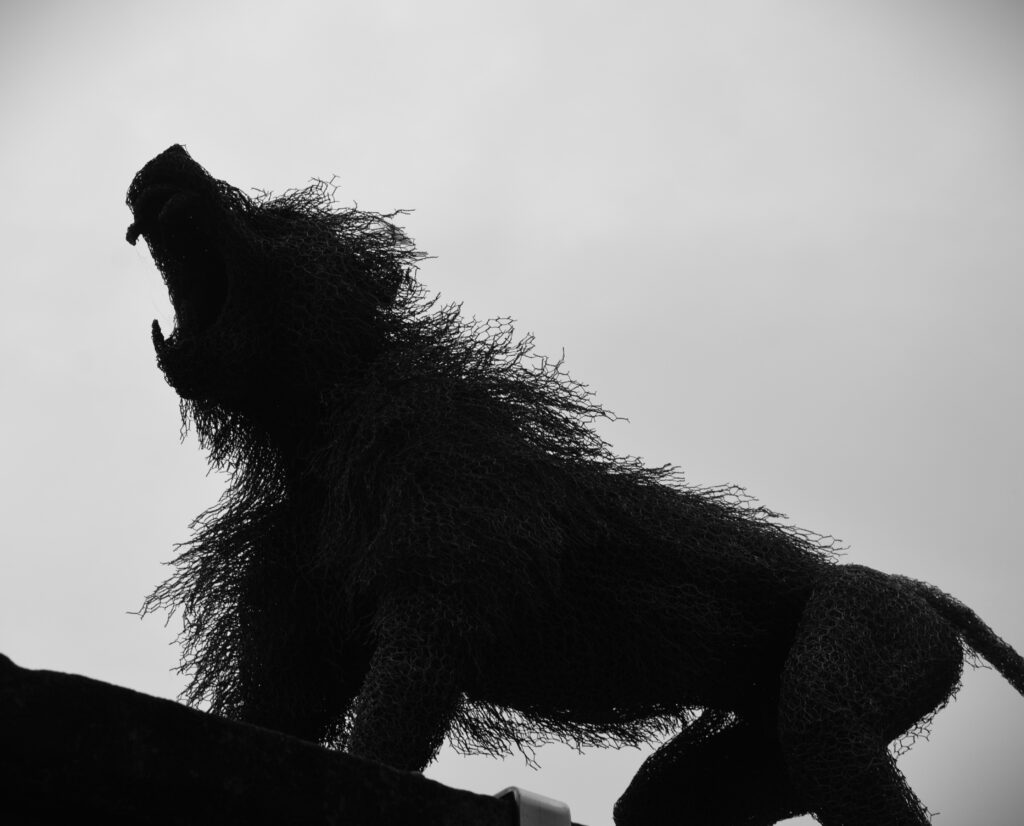
Refined or Raw
There is a moment in every photographic journey when the subject tells you how it wants to be photographed.
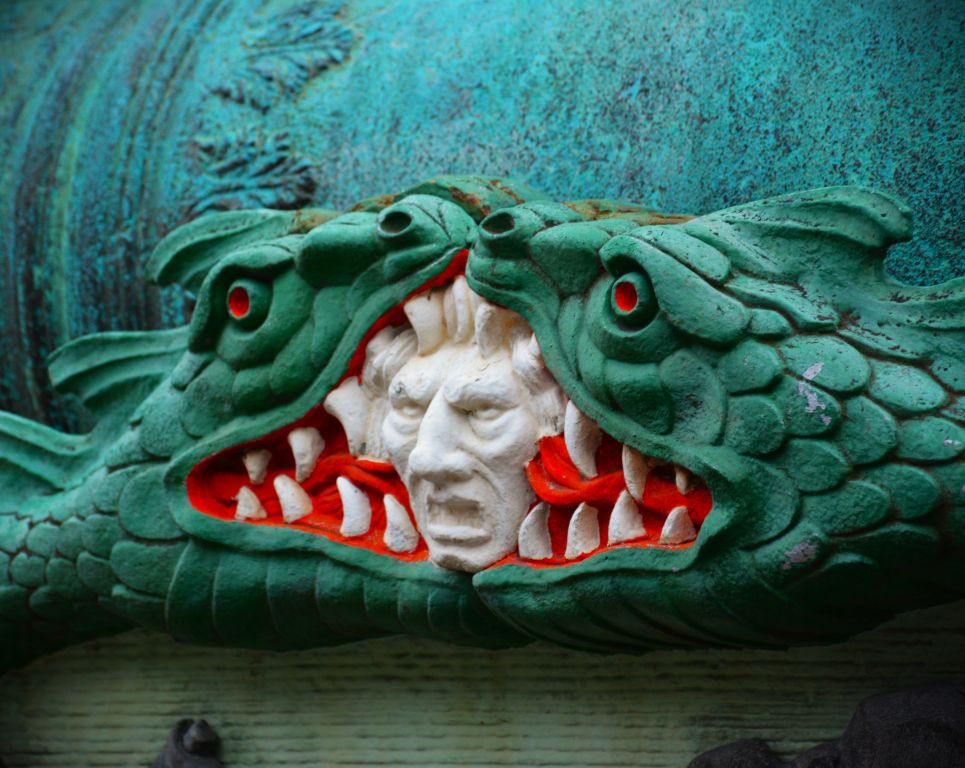
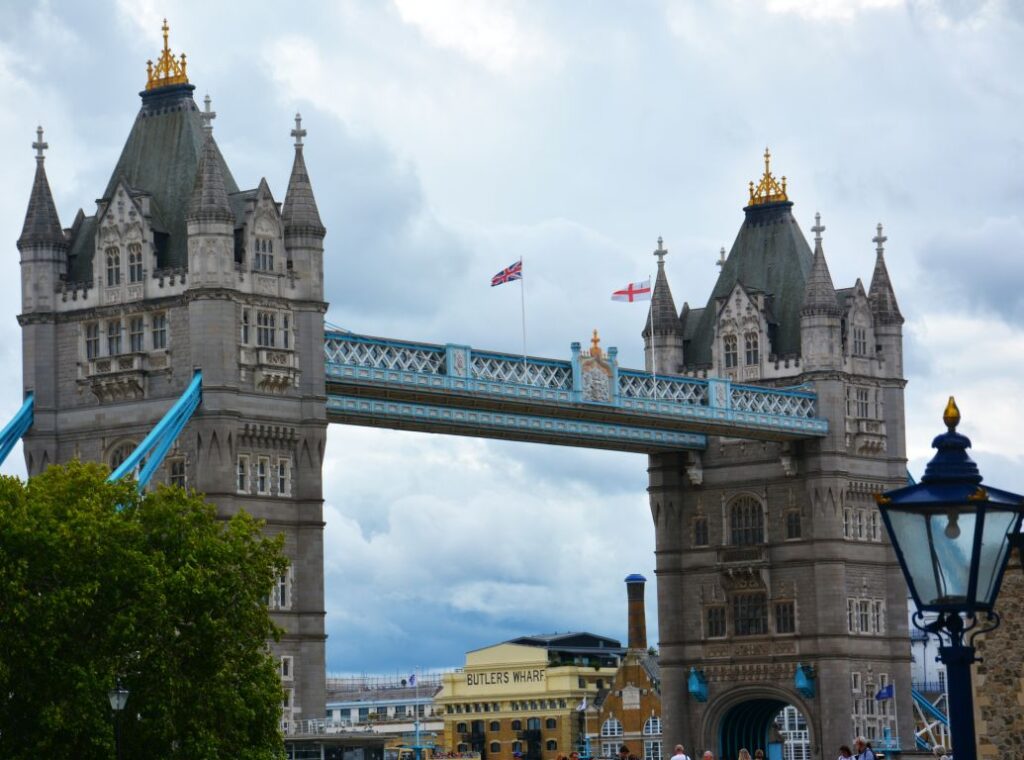
Contrast is a fundamental element of photography, creating visual separation, depth, mood, and emphasis. It is especially powerful when photographing Westminster and the Tower of London: Westminster expresses grandeur, ceremony, and Gothic elegance, while the Tower conveys age, strength, texture, and darker historical character.
The Tower is different.
Raw.
The Beefeaters
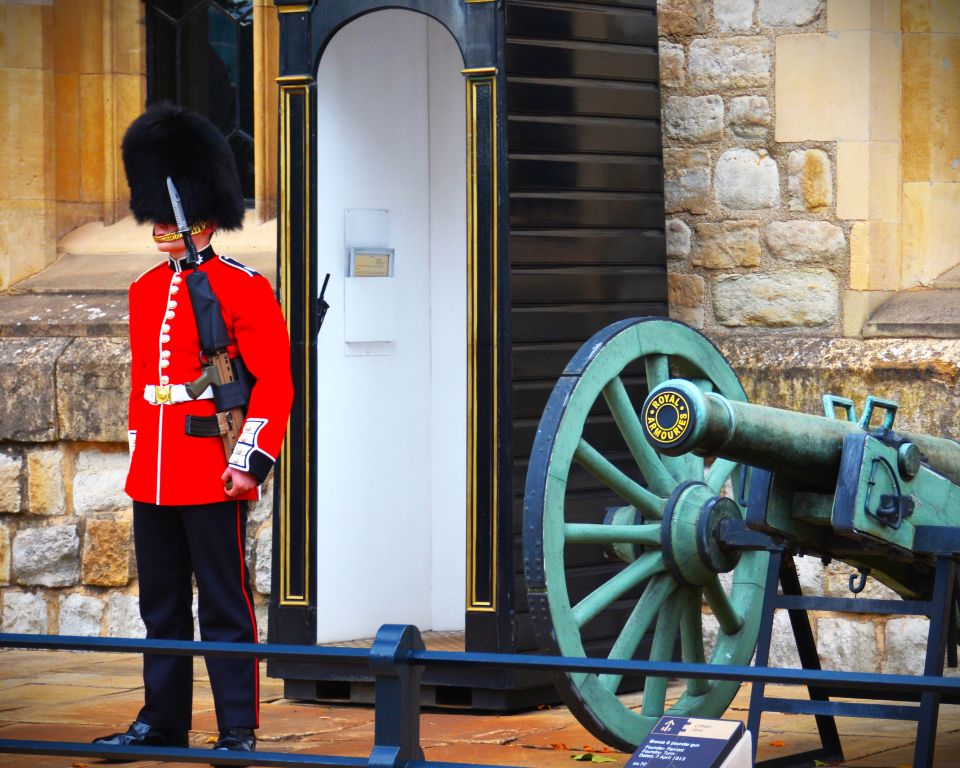
As we stepped through the Tower’s ancient gates, there was no missing them — the Beefeaters, resplendent in their red and black uniforms, moving through the medieval fortress as though they had always belonged there. In a place steeped in centuries of intrigue and royal drama, they somehow seemed to bring that history to life.
Officially known as the Yeoman Warders, they have guarded the Tower for centuries. Today, these retired military men are its guides, storytellers and guardians of its traditions.
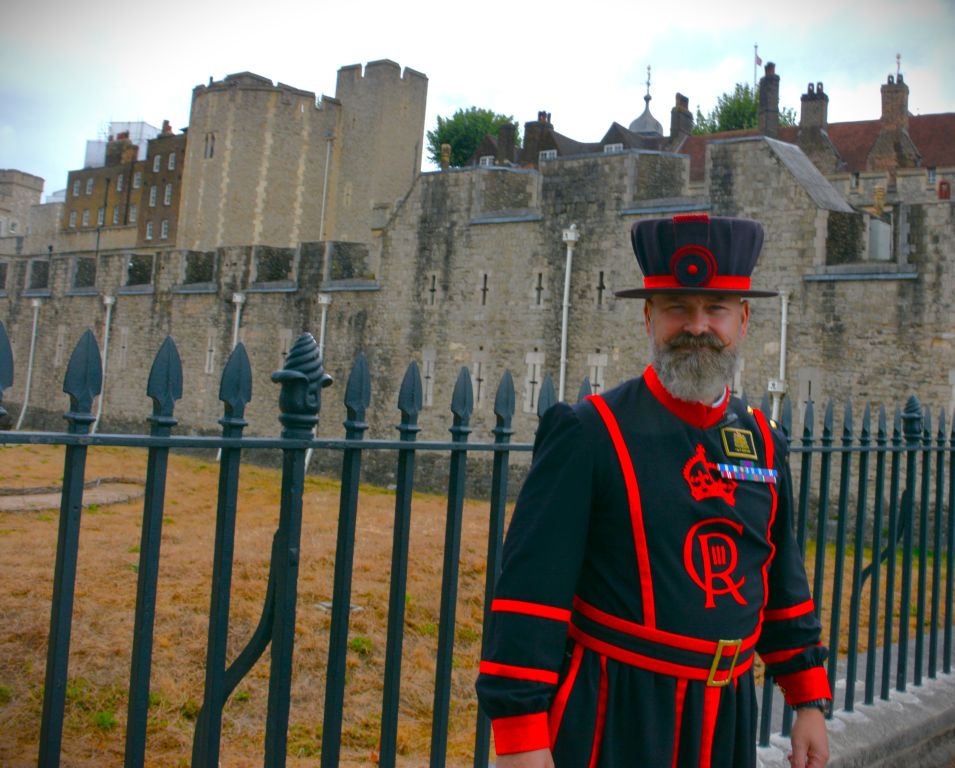
Even their nickname has a touch of mystery. “Beefeater” is thought to have come from the generous meat rations once provided to the royal guards, yet no one truly knows.
What fascinated us most was discovering that the Beefeaters actually live inside the Tower with their families.
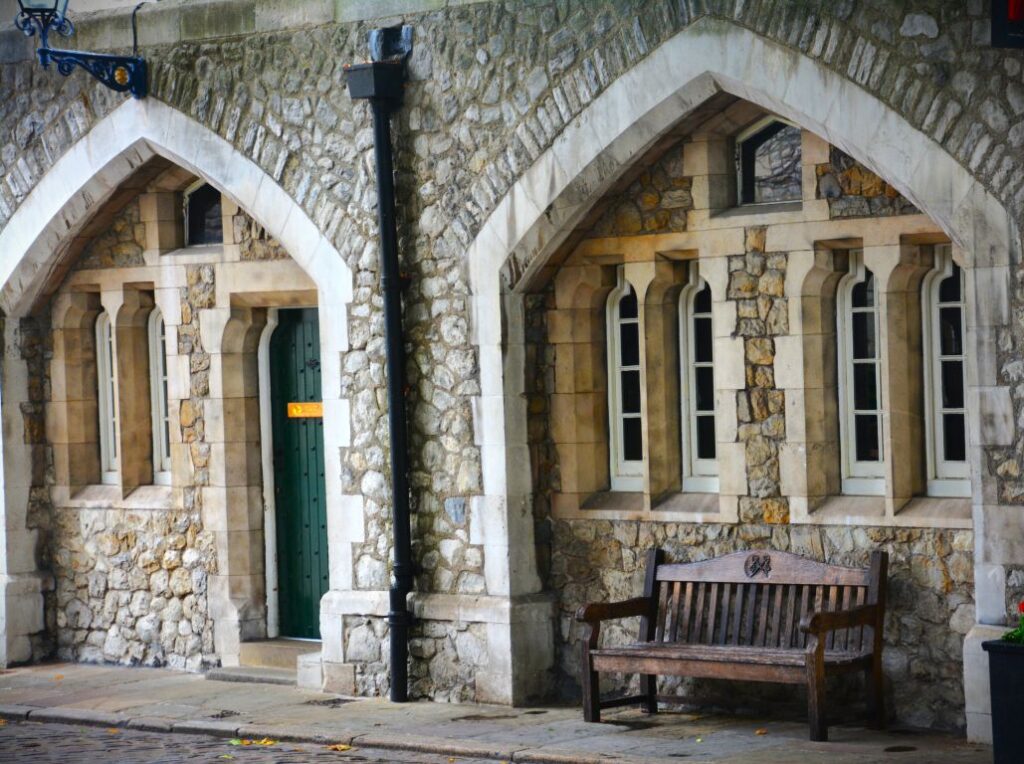
This ancient fortress isn’t simply where they work, it’s home. They even maintain their own traditions, including receiving a bottle of Beefeater Gin on their birthdays.
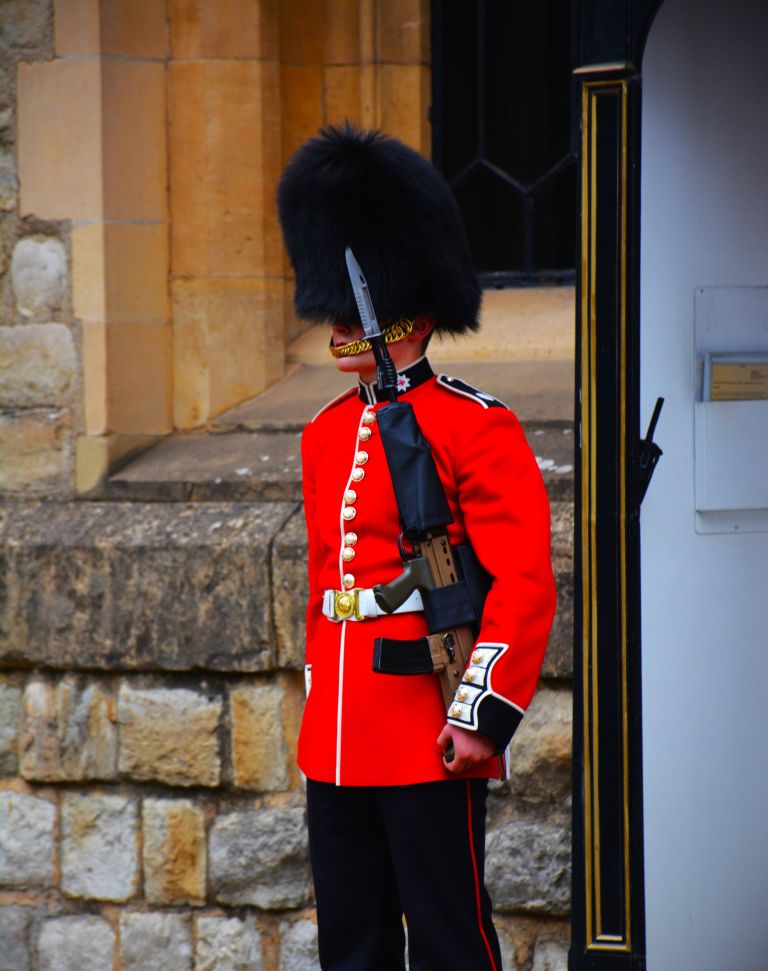
Standing among them, hearing their stories, made the Tower’s history feel remarkably alive.
These aren’t simply men dressed for the part —
They are part of the Tower’s continuing story.
Westminster Abbey asked for refinement
The Tower of London asked for something else…
Stark.
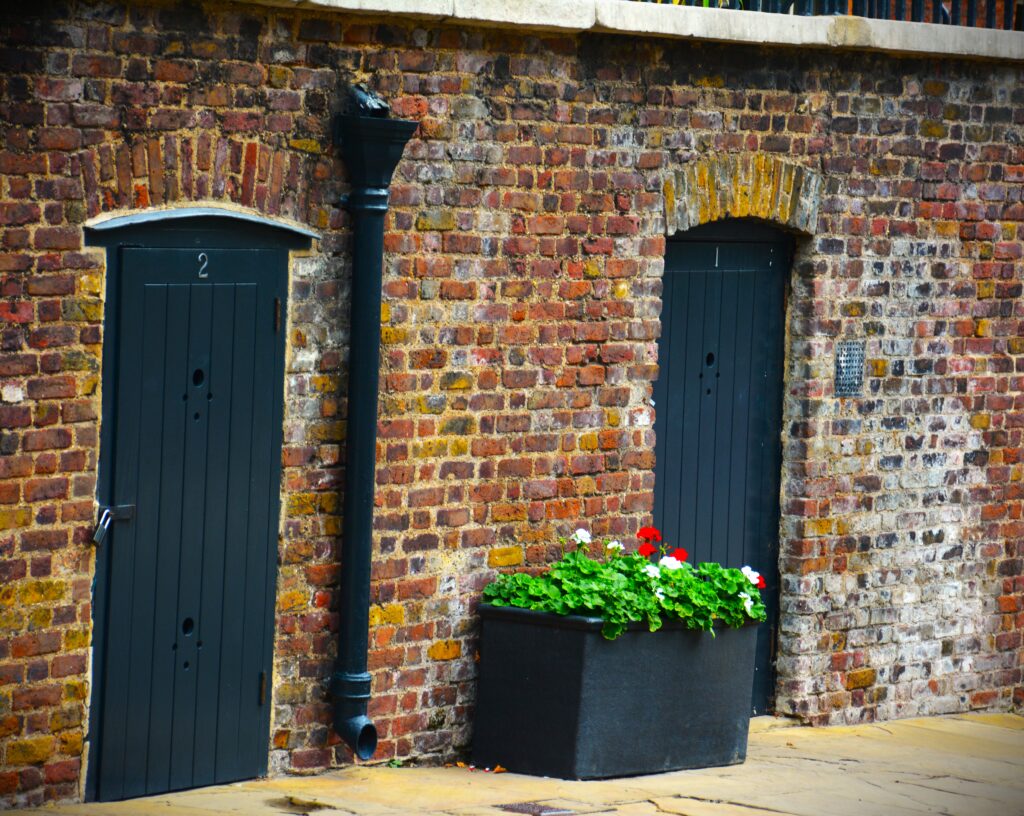
The Tower is different.
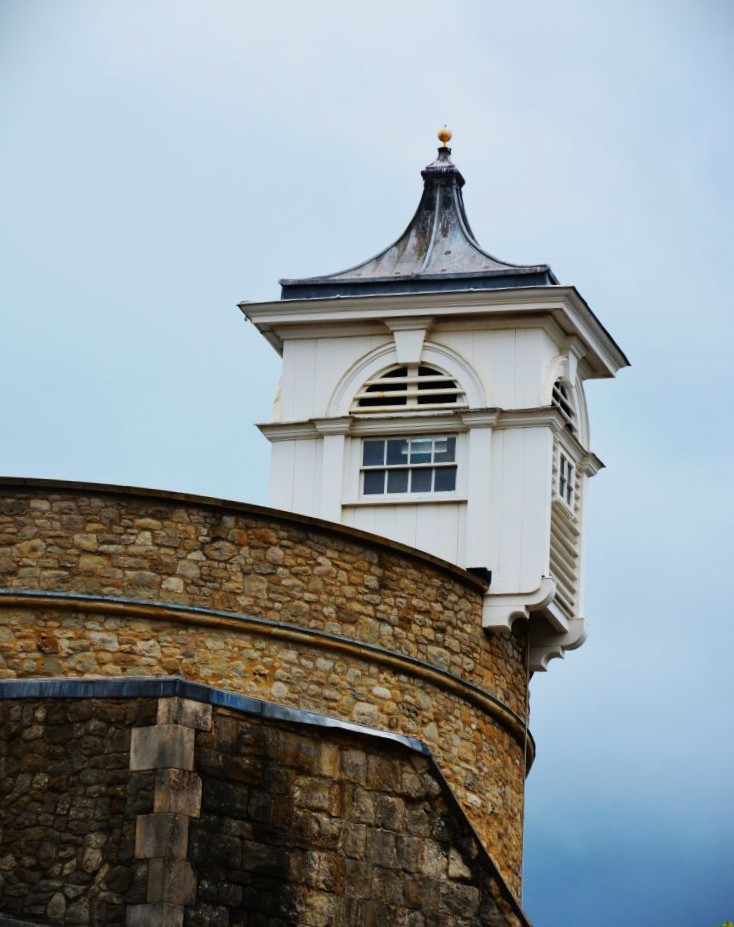
It is less concerned with beauty than with purpose. Its walls are thick because they needed to withstand attack. Its openings are narrow because defense mattered more than light. Its corridors feel enclosed. Its chambers suggest secrets rather than ceremony.
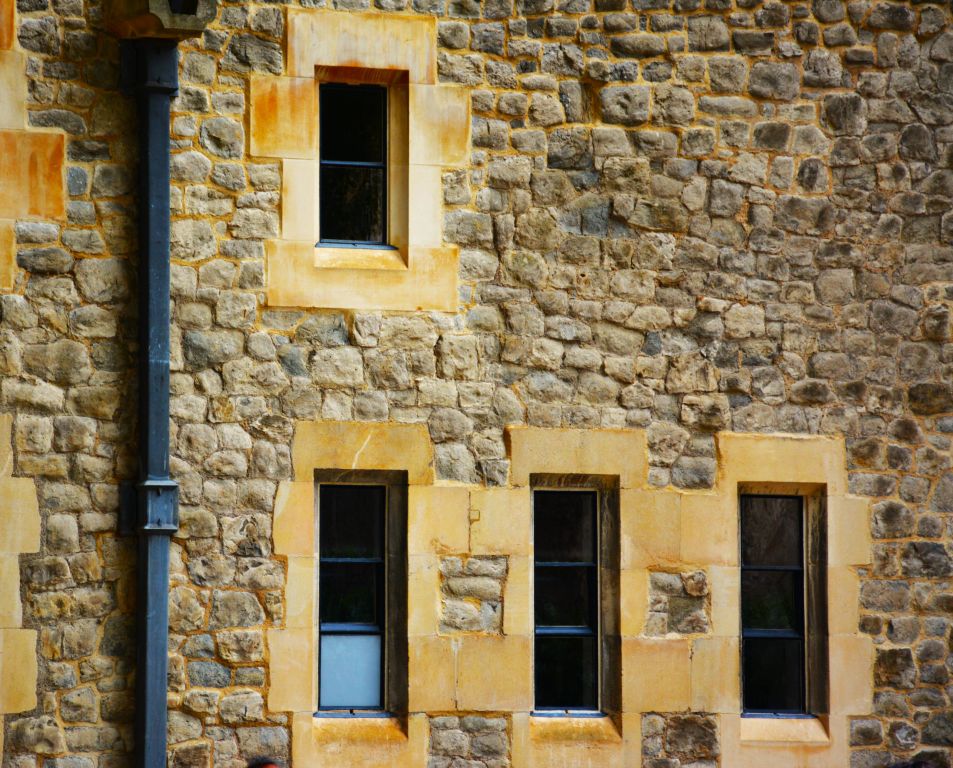
Here, photography becomes less about making the subject beautiful and more about allowing the subject to reveal itself.
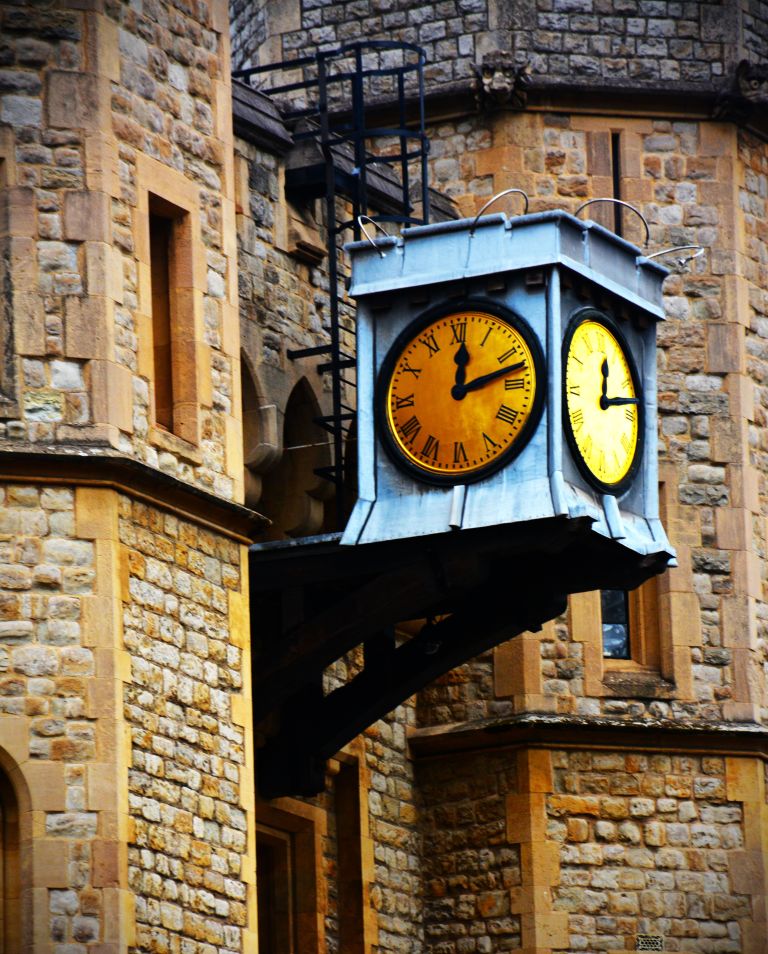
That distinction matters. Every photographer eventually confronts the question:
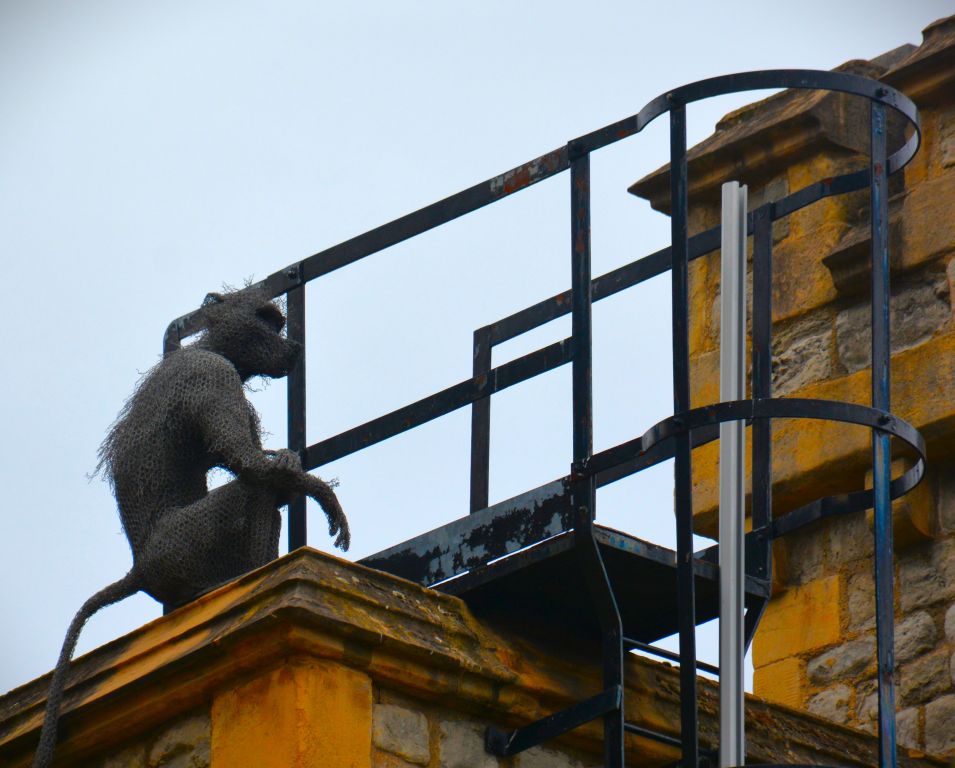
Do I refine what I see, or do I record what is actually there?
At the Tower, the answer seems obvious.
Reveal.
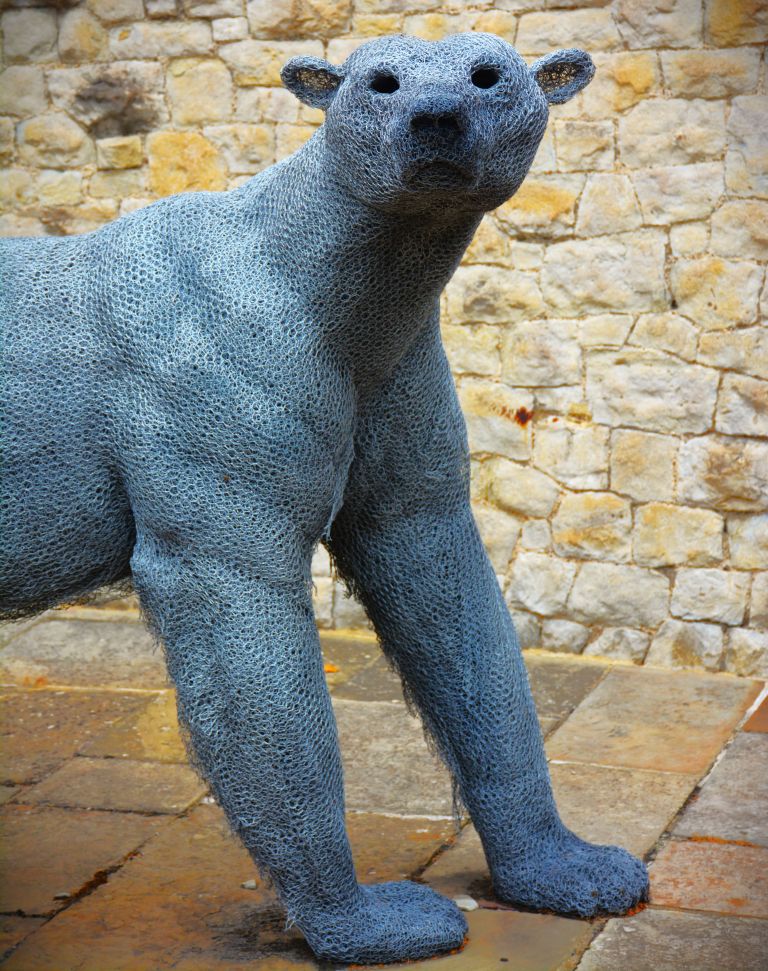
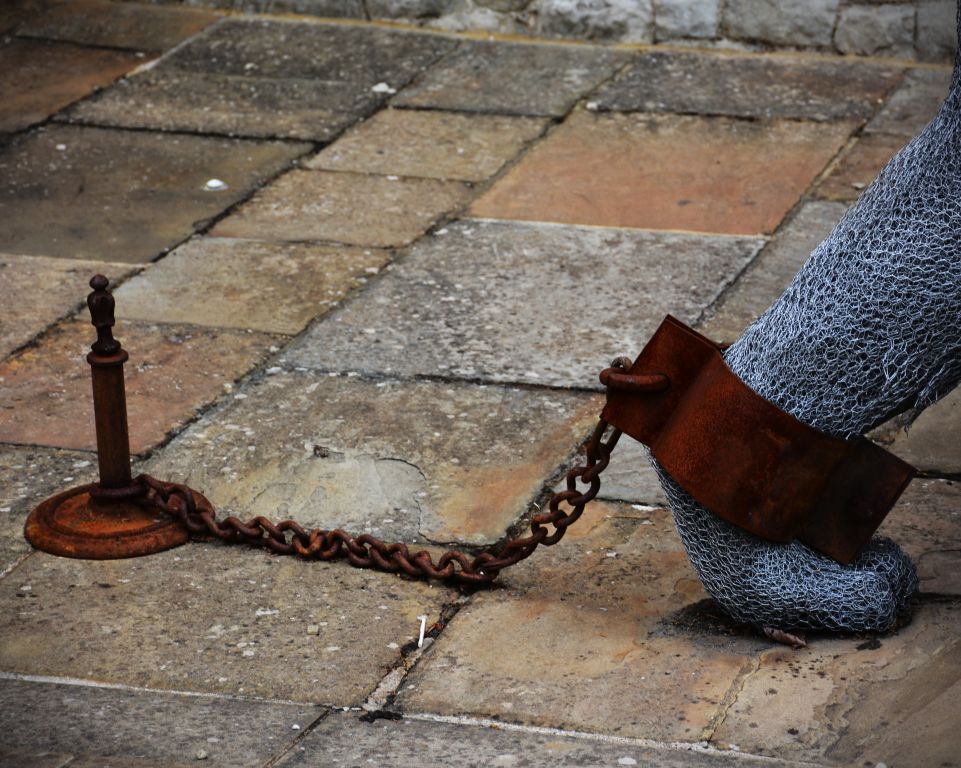
And yet, the Crown Jewels complicate that decision.
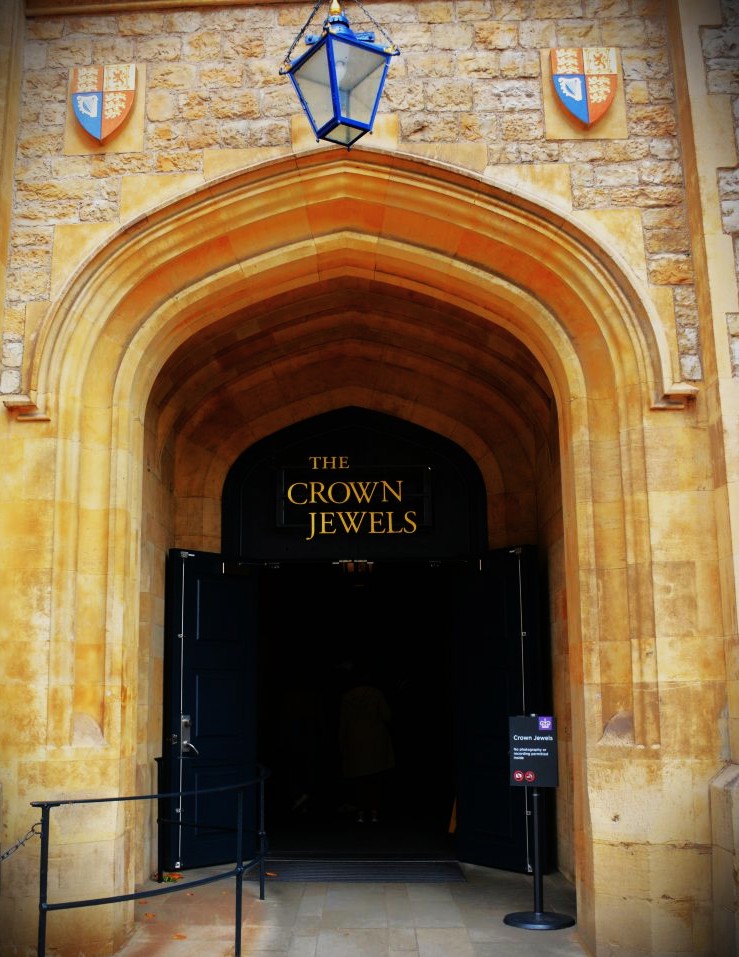
Entering the exhibition, there is surprisingly little visible security. Nothing theatrical. No overwhelming display of force. And still, you feel watched.
Closely.
Every movement seems to have been anticipated. Every doorway is controlled. Every chamber seems to contain another boundary. Closed doors quietly communicate what you are not permitted to see.
Then the jewels appear behind bombproof glass, and in the most revered exhibit, the visitor is carried forward along a moving walkway. There is no lingering. No stepping aside to study a composition. No searching for the perfect angle.
And, of course, no photography.
For the photographer, it is an unusual experience: standing before objects of extraordinary historical and monetary value while being denied the very act through which we normally respond to them.
Perhaps that is appropriate. Some things at the Tower are meant to be protected rather than photographed.